Unlocking the Power of Terpenes for Oils and Extracts
Terpenes build the scents found throughout nature - each one shapes the smell, taste and possible health value of plant oils. People have valued those small, fast evaporating molecules for ages because a single drop can recall the bright edge of lemon peel or the heavy, sticky odor of pine. The plant material and industrial plant trade no longer treats terpenes as mere perfume. Science shows they guide the way plant-derived compound act in the body. When a producer or a customer decides to boost a distillate or a raw extract, the goal is not only to add flavor - the aim is to return the full chemical character of the plant plus to aim the bodily response toward calm, alertness or vigor. This renewed interest in blending rests on a clear rule - industrial plant supplies the terpenes and the finished goods must stay within the limits set by the Agricultural Improvement Act of 2018, the federal law that defines legal industrial plant products.
What Defines High Quality Terpene Oil for Sale?
High-quality terpene oil meets three tests - it is clean, it comes from the plant itself and it is drawn out without damage - the final liquid matches the living aroma. Many shops sell fake mixes - real stock is either plant material Derived Terpenes or a natural botanical blend that leaves out propylene glycol plus vegetable glycerin. A top grade oil for sale carries a balance that single synthetic molecules never reach - it keeps the small monoterpenes and sesquiterpenes that give the "dank" or light flower notes experts look for. Steam distillation or subcritical CO₂ pulls the scent without high heat - the fragile volatile markers stay intact but also the bottle stays strong, free of solvent and active in the plant's own way.
The Difference Between Essential Oil Terpenes and Flavor Additives
Flavor additives only copy taste and lack any healing action. Many flavor drops use esters or fake aldehydes to give candy notes like "Blue Raspberry" or "Bubblegum". They please the tongue but do not team up with plant-derived compound Real essential oil terpenes in a formula - beta caryophyllene, humulene and similar - are bio active. They dock with receptors plus can help lower swelling or ease worry. Anyone who writes about or mixes, those products needs to see the gap - one group is kitchen perfume, the other sets the medical value of the end product.
Why Add Terpenes to CBD Oil? The Entourage Effect Explained
Terpenes have to be put back into CBD oil to trigger the "Entourage Effect", the effect in which plant compounds act together and push the therapeutic value higher than any lone compound manages. CBD isolate alone helps in some uses but it drops the "punch" found in a full spectrum product because the terpene frame is absent. When chemists add chosen terpene sets to the oil, they steer the result. A sleep formula, for example, leans not only on plant-derived compound- it leans on the drowsy pull of myrcene to let the body feel rest. This joint action turns a plain single note supplement into a lively full spectrum cure that mirrors the whole plant's strength.
Types of Terpene Profiles for Oil Formulations
Choose a terpene profile the way you pick a wine grape - it sets the mood, the place and how the oil will act in the body. A formulator faces a wide palette. Sativa dominant mixes lift creative drive - indica leaning blends push the body toward rest. Each profile holds more than one top note. A dominant terpene leads, while smaller terpenes follow - all act together. If buyers know which terpene leads, they gain a clear guess at how the tincture or cart will feel before the seal breaks. They tailor the session to the moment - alert focus for dawn, loose calm for dusk.
Citrus and Energetic: Limonene in Terpene Rich industrial plant Oil
Limonene gives citrus peels their sharp, fresh scent - it appears in industrial plant oil and is linked to brighter mood plus lower tension. Strains like Super Lemon Haze or Tangie carry a lot of it. People often choose it for morning blends because it keeps the mind clear. The molecule helps other terpenes and plant-derived compoundpass through mucous membranes faster - the oil starts to work sooner. If a industrial plant oil smells like grapefruit or lemon peel, that smell signals a blend built to clear mental fog but also supply an active lift instead of the heavy calm many tie to plant material.
Earthy and Relaxing: Myrcene in plant material Terpene Oil Profiles
Myrcene appears in larger amounts than any other terpene in today's plant material. It gives the plant its earthy, musky smell and the marked "couch-lock" feeling that people link with strong relaxation. The same molecule occurs in hops, mangoes plus lemongrass and it sets the upper limit for how sedating a plant material terpene oil can feel. When myrcene dominates, a previously neutral oil becomes something people reach for at bedtime - anecdotal reports say it relaxes muscles but also eases pain. A product rich in myrcene - often modeled after cultivars called Granddaddy Purple or OG Kush - acts as an even weight for users who want to release bodily tension or counter insomnia - it steadies the body and quiets the nervous system.
Floral and Soothing: Linalool’s Role in CBD Oil Terpenes
Linalool adds a floral lavender scent to CBD oil terpenes and works as a strong anti anxiety plus sleep promoting substance. It appears in lower amounts than myrcene or limonene but it remains essential for "wellness" blends that aim to lower stress and restlessness. The smell is well known for its soothing effect but also links classic aromatherapy to plant-derived compound research. Within CBD oil, linalool smooths the edge of harsher compounds and binds to glutamate besides GABA sites in the brain to lower overactivity - this quality suits blends that target relief from anxiety or the achievement of deep, restorative sleep.
Pine and Focus: Pinene in High Terpene Extract Oil
Alpha-pinene slows the enzyme that destroys acetylcholine - more of that signal chemical stays active in the brain. Acetylcholine supports memory, alertness and the ability to learn. When oils rich in terpenes contain a high level of pinene, the molecule travels through the blood brain barrier and reaches nerve receptors, creating the "alert" feeling linked to Sativa varieties. Tests show that this boost to cholinergic signalling offsets the brief memory disruption that THC causes - pinene appears to adjust the overall plant material effect. Read the detailed report at the NCBI/NIH.



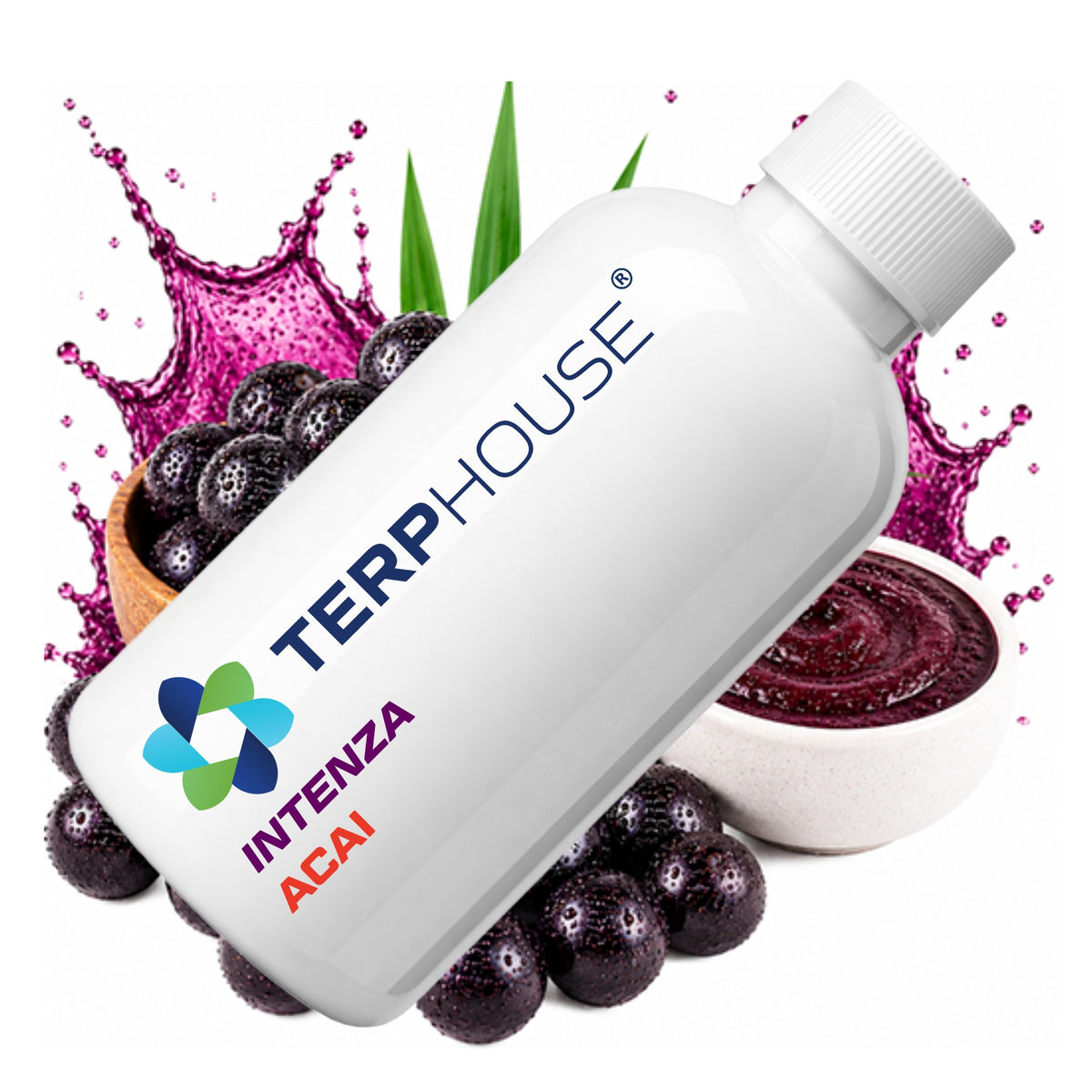
 Acai INTENZA
 Banana OG