
Citrus Flavors Terpenes Citrus Flavors Terpenes
Citrus Flavors Terpenes
3 products
Sort by
Sort by
Sale price$15.00
Sale price$15.00
Sale price$15.00

What Our Customers Say

Why Citrus Flavors Dominate the Terpene Market

Open a bottle of a good citrus profile and the effect is immediate: bright, sharp and impossible to miss. Citrus is one of the most widely used flavor families because it reads as fresh and lively at once. That character comes from a small group of aroma compounds - limonene, valencene and terpinolene among them - that together recreate the smell of fresh peel and squeezed zest.

The Global Appeal of Citrus Aromas Across Industries

Citrus has a long history across flavor and fragrance. Perfumers have worked with bergamot and orange for centuries, and in food and drink citrus remains the standard for "fresh". Modern terpene profiles build on the same appeal.

What Drives Demand in the Citrus Flavors Market

Citrus profiles stay in demand because they are versatile: bright enough to lead a formulation, yet easy to pair with fruit, floral or herbal notes. A good citrus profile also lifts heavier base aromas, which makes it useful across many product types.

How Citrus Flavor Ingredients Create Bright, Clean Profiles

Citrus tastes light and clean when the components are well balanced. Limonene delivers the first sharp note, citral adds the characteristic lemon-peel character, and linalool brings a soft floral sweetness. Layered together, they give a crisp, sparkling profile without heavy or earthy undertones.

Read More

Citrus Aromas and the Science of Freshness Perception

Citrus is widely associated with freshness and cleanliness, which is why it appears in so many everyday products. Adding a bright citrus profile can make a dense, flat base aroma feel noticeably lighter and cleaner.

The Full Citrus Flavor Spectrum

Citrus is not one flavor but a spectrum. At one end is the sharp, bitter sourness of grapefruit; at the other, the honeyed sweetness of mandarin. Knowing where a profile sits on that scale makes it much easier to choose the right one for a product.

Lemon Strain Profiles - Zesty, Sharp, and Unmistakable

Lemon-style profiles are sharp and unmistakable. The aroma is tart, slightly astringent and lightly piney, recalling both fresh peel and raw juice, with a crisp, clean finish.

Orange and Tangerine: Sweeter Side of Citrus Aromas

Orange and tangerine profiles sit on the sweeter side of citrus. Instead of sharp acidity, they offer a rounder, almost candied-peel sweetness, often shaped by valencene - a compound associated with sweet orange. The result is warm and juicy rather than biting.

Lemon Orange Strain Blends and Why They Work So Well

Lemon and orange pair naturally because they share key aroma compounds such as limonene. Combined, lemon brings brightness and orange adds sweetness and body, giving a fuller citrus profile than either note alone.

Grapefruit and Pomelo Notes for Complex Bitter Citrus Profiles

Grapefruit and pomelo profiles add a pleasant bitterness that makes citrus more complex. Much of grapefruit's signature character comes from nootkatone, a compound closely associated with grapefruit aroma. A touch of this bitter edge keeps a citrus blend from tasting one-dimensional.

Rare Profiles: Lemon Citron Strain, Yuzu, and Bergamot

Rarer citrus profiles such as citron, yuzu and bergamot bring more aromatic, floral and herbal nuances alongside the familiar limonene brightness. Bergamot in particular has a distinctly floral, slightly spicy character that sets it apart from lemon and orange.

Fan-Favorite Citrus Strain Profiles

The most popular citrus profiles share one thing: a clear, recognizable citrus identity built on limonene, with supporting notes that give each profile its own character.

Super Lemon Strain - Explosive Zest and High-Intensity Aroma

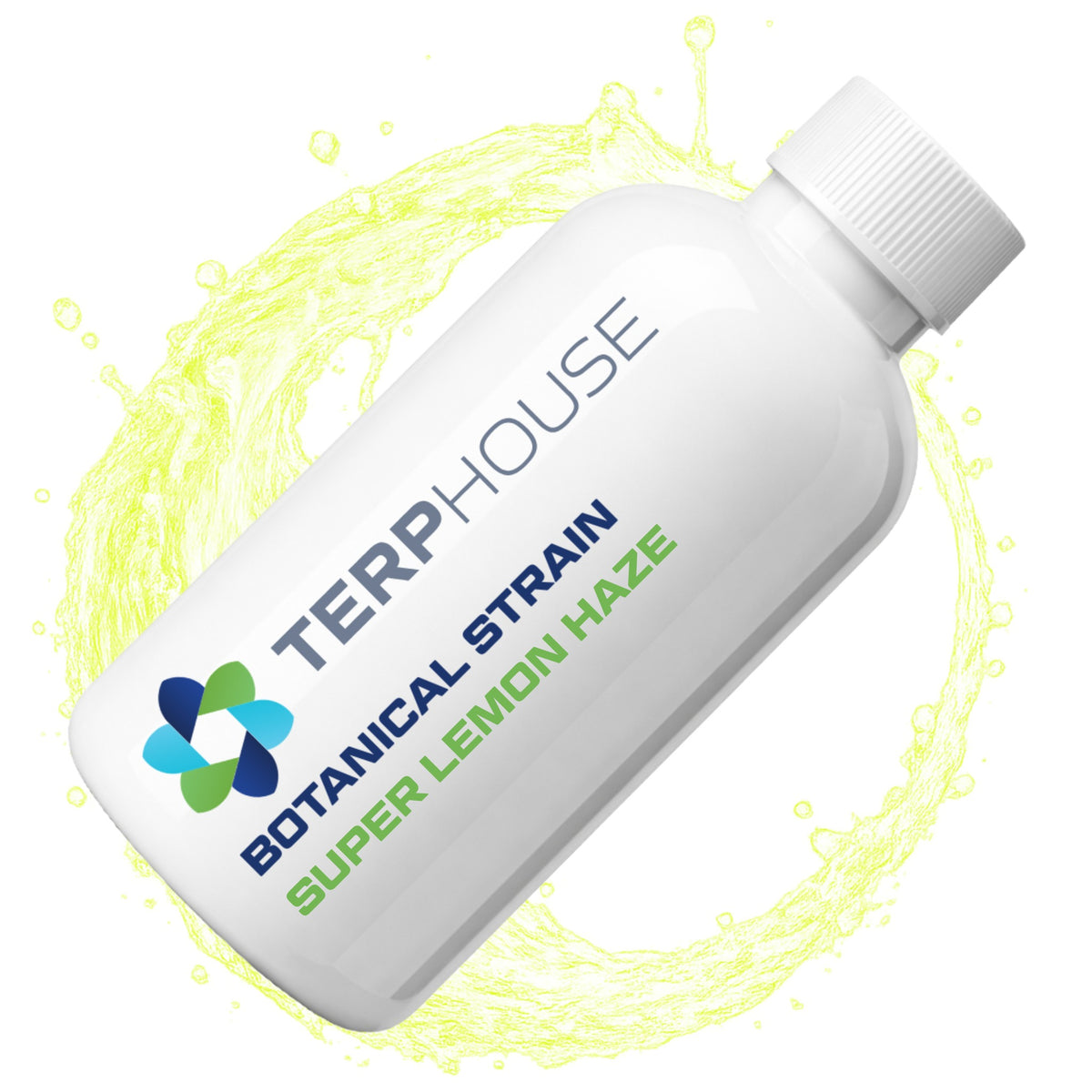
A Super Lemon-style profile is all about a loud, zesty lemon aroma, with a sharp, slightly herbal edge from supporting terpenes such as terpinolene.

Lemon Drops Strain Profile - Candy-Sweet with Sour Edge

A Lemon Drops-style profile balances candy-like sweetness with a sour lemon edge - the familiar contrast of a sugar-coated lemon candy.

Lemon Fruz Strain - Fresh Fruit with Tropical Undertones

A Lemon Fruz-style profile pairs fresh lemon with softer tropical undertones, giving a fruitier, rounder citrus character than a straight lemon profile.

How to Layer Multiple Citrus Profiles for Maximum Complexity

Layering several citrus notes adds depth. A practical approach is to choose one lead note - usually lemon or orange - and support it with smaller accents such as grapefruit for bitterness or tangerine for sweetness. Keep one note clearly in front so the profile stays focused.

Key Terpenes Behind Citrus Flavors

TERPENE PRIMARY AROMA FUNCTION IN CITRUS BLENDS
Limonene Lemon, Orange, Bright Citrus Acts as the core foundational flavor for all citrus profiles.
Terpinolene Pine, Floral, Herbal, Fresh Provides a complex, multi-dimensional supporting top note.
Alpha-Pinene Pine, Earthy, Rosemary Adds a sharp, biting undertone to mimic fresh citrus rinds.
Citral Intense Lemon, Lemongrass Enhances both sweetness and tartness simultaneously.
Linalool Lavender, Sweet, Floral Smooths out sharp acidic notes for a balanced, mellow finish.

Limonene - The Star of All Citrus Aromatic Profiles

Limonene delivers the strongest punch in citrus flavour - lemon peel, orange peel and grapefruit peel hold high concentrations of the terpene. When released, it gives the bright, crisp plus lively aroma that consumers immediately connect with fresh citrus. In any formulation where citrus leads, limonene acts as the primary foundation that directs the entire sensory profile.

Terpinolene and Alpha-Pinene as Supporting Citrus Notes

Limonene provides the primary citrus note - terpinolene and alpha pinene supply the secondary facets that complete the profile. Terpinolene offers a faint woody herbal nuance - it turns a simple lemon scent into the smell of an intact fruit. Alpha pinene brings a crisp pine trace that mirrors the bitter, earthy surface of authentic citrus peel and gives the blend a credible realism.

Citral and Linalool: Adding Smoothness to Sharp Citrus Aromas

High doses of citrus oils push the taste toward sharp, dry or rough sensations on the tongue. Citral raises the natural sweet lemon lime note. Linalool introduces a mild floral tone. The two compounds act as softeners. They prevent the citrus profile from becoming excessively sharp and they deliver a rounded, pleasant flavor.

Blending Citrus Flavor Ingredients for Balanced, Lasting Profiles

High-grade citrus aroma relies on a precise mix of light, fragrant molecules. The most fleeting note, gains stability when linalool and pinene join the blend. Those two slower evaporating compounds anchor the scent so the opening smell, the mid palate plus the lingering finish stay the same. Their proportion also limits both spoilage and reaction with air during storage.

Applications for Citrus Flavor Profiles

When starting with a new citrus profile, begin with a small amount and evaluate the aroma before adjusting. Increase gradually until the character feels right - it is easier to add more than to fix an overloaded blend.

Using Citrus Aromas in Concentrates and Infused Products

Citrus is one of the most useful profiles for restoring freshness. A measured citrus addition brightens a flat base aroma and covers heavier earthy notes, leaving a clean, lively finish.

Safety, Checklist, and Risks for Citrus Terpenes

Safety is the top priority - when you handle citrus flavors, you must learn how to judge the raw materials. Some suppliers offer adulterated oils or mix in low cost synthetic extenders that dilute the formula. Examine every label and request a full component list from the supplier. Use only batches that pass established safety tests - those tests protect the company reputation and the end consumer.

Citrus Flavor Sourcing Checklist

  • Request Full Documentation: Never purchase without a complete, up-to-date Certificate of Analysis (COA) and Safety Data Sheet (SDS).
  • Watch Out for Fakes: Unverified, imitation citrus profiles often rely on harsh, unstable synthetic chemicals rather than authentic, food-grade botanical isolates.
  • Verify the Supplier: Partner with established industry leaders like TERPHOUSE to guarantee batch-to-batch consistency and strict safety compliance.

Potential Formulation Risks

Profiles without clear documentation put the whole product line at risk. Low-cost citrus blends may contain hidden fillers or unstable components that break down with heat. Check every label, train your purchasing team on what to reject, and accept only materials that come with complete documentation.

FAQ

Citrus flavoring systems need precise temperature control so their structure stays intact. Terpene compounds give citrus its taste but they evaporate or break down when heat increases. Producers wait until the mixture cools near the end of the process then they add the flavoring.
Yes, citrus is one of the faster-fading families because its top notes are so light. Keep bottles tightly closed, cool and away from light, and don't leave them half-empty for long - air takes the fresh zest out first.
It's lemon at full volume. Limonene carries a loud, clean zest, with a few earthy and lightly sweet notes underneath so it never smells flat.
Don't let one note run the show. Build on limonene, then add small amounts of supporting notes like pinene or myrcene until it smells like real peel rather than a cleaning product.